What Is Batch Cooking and Why It Helps Families
Batch cooking means preparing multiple meals at once, often on a weekend or a dedicated cooking session, so you have ready-to-eat or ready-to-reheat meals during the week. It simplifies meal preparation, saves time, and helps families have healthy home-cooked meals available even on the busiest days.
A peer-reviewed article in the American Journal of Lifestyle Medicine highlights home meal preparation as a powerful intervention for improving diet quality and family health. Batch cooking makes this practical by reducing daily cooking time and the temptation to rely on less healthy convenience options.
- Save time during the workweek by cooking in bulk when you have larger blocks of time.
- Reduce stress: knowing dinner is already planned and ready can ease daily decision-making.
- Support healthy eating by having nutritious, home-cooked meals on hand.
- Cut down on food waste by using ingredients efficiently across multiple meals.
Sources: American Journal of Lifestyle Medicine via PMC, Betty Crocker
How to Choose Recipes Suitable for Batch Cooking
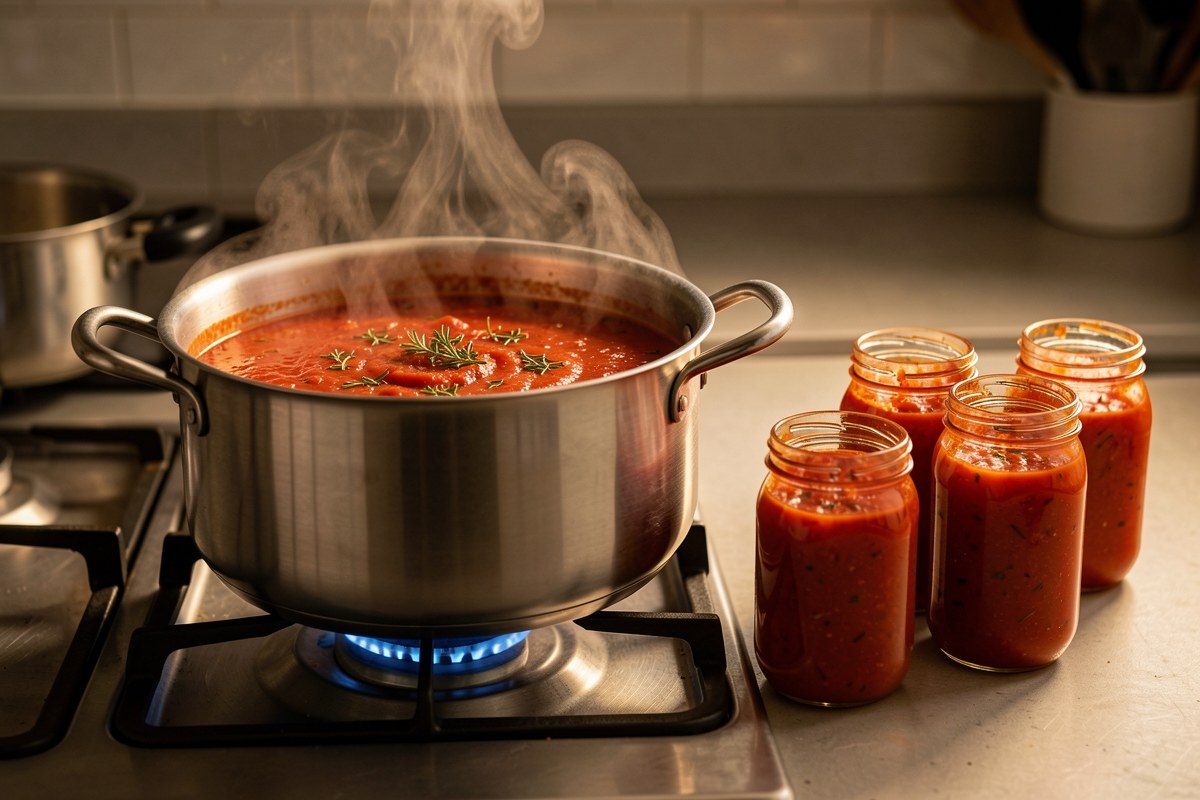
Not every recipe is ideal for batch cooking. The best candidates are dishes that freeze and reheat well without losing texture or flavor. Soups, chili, tomato sauces, stews, casseroles, and cooked meats are all excellent choices. They tend to maintain their quality when stored and reheated.
Conversely, some foods do not freeze well. Creamy sauces or dishes with high water content, such as watermelon, may become watery or separate upon thawing. When planning your batch, prioritize recipes that are known for good freezer compatibility.
Consider your family’s preferences and nutritional needs. Choose recipes that provide a balance of protein, vegetables, and whole grains to keep meals satisfying and healthy. It’s also wise to vary the types of meals you batch—cook a couple of soups, a casserole, and some cooked proteins to offer versatility throughout the week.
- Soups and stews: freeze well and are easy to portion.
- Chili and tomato-based sauces: hold up nicely in the freezer.
- Casseroles and pasta bakes: convenient single-dish meals.
- Cooked meats like shredded chicken or ground beef: versatile for many meals.
- Avoid dairy-heavy sauces and high-water-content items if planning to freeze.
Sources: American Journal of Lifestyle Medicine via PMC, Dietetic Directions, KitchenSterling
Essential Equipment for Large-Batch Cooking
You don’t need a professional kitchen to batch cook, but a few key tools can make the process smoother and help with safe storage. Large pots and pans allow you to cook bigger quantities, while quality storage containers keep your meals fresh and organized.
For storage, airtight containers or freezer bags are essential to prevent freezer burn and contamination. Freezer-safe glass containers are a great option because they can go from freezer to oven or microwave without transferring food. Labeling supplies, such as masking tape and a marker, are also important for tracking dates and contents.
- Large stockpot or Dutch oven for soups, stews, and sauces.
- Deep roasting pans or casserole dishes for large batches.
- Airtight containers: plastic or glass that are freezer-safe.
- Freezer bags designed for food storage (remove as much air as possible before sealing).
- Permanent marker and labels for dating and naming your meals.
Sources: KitchenSterling, American Journal of Lifestyle Medicine via PMC
Step-by-Step Batch Cooking Session Plan
A successful batch cooking session starts with planning. Choose 2-3 recipes that share similar ingredients to maximize efficiency. Gather your equipment and ingredients before you begin to avoid interruptions. Set aside 2-4 hours on a weekend or a day off.
Cook your recipes in stages, starting with the ones that take the longest. While one dish simmers or bakes, you can prepare ingredients for another. After cooking, cool foods quickly and safely before storing.
Portion meals into individual or family-sized containers. Label each with the name and date. Store in the refrigerator for meals within the next few days, and freeze the rest for future weeks.
- Remember: cook once, eat twice (or more) by making extra portions.
- Involve family members to make the session quicker and more enjoyable.
- Choose 2-3 freezer-friendly recipes that you know your family enjoys.
- Make a shopping list and buy all ingredients ahead of time.
- Set aside a block of time (2-4 hours) for cooking.
- Start with the longest-cooking dish, like a stew or baked casserole.
- While that cooks, prep other components: chop vegetables, brown meats, or cook grains.
- Cook secondary dishes, such as a batch of roasted vegetables or a soup.
- Cool cooked food quickly: within two hours of cooking, place it in the refrigerator or freezer. If the room temperature is above 90°F, cool within one hour.
- Portion into airtight containers or freezer bags, leaving some space for expansion if freezing.
- Label each container with the dish name and date.
- Refrigerate meals for use within 3-4 days, or freeze for longer storage.
Sources: Betty Crocker, KitchenSterling, Examples-of.com
Safe Storage and Reheating Guidelines
Proper storage and reheating are critical to ensure that your batch-cooked meals remain safe and delicious. The general rule is to refrigerate cooked food within two hours of cooking (or within one hour if the ambient temperature is above 90°F) to keep it out of the danger zone. Cool food to room temperature within that time, then refrigerate or freeze.
Use airtight containers or freezer bags to prevent freezer burn and contamination. When freezing, remove as much air as possible. Label each package with the date and reheating instructions, so you know what’s inside and how to warm it up.
Different types of cooked food have varying storage times. The following table provides general guidelines for refrigerator and freezer storage to help you plan and use your batch-cooked meals.
| Food Type | Refrigerator (at or below 40°F) | Freezer (at 0°F or below) |
|---|---|---|
| Soups and stews | 3-4 days | 1-3 months |
| Pasta bakes and casseroles | 3-4 days | 2-3 months |
| Cooked proteins (chicken, beef) | 3-4 days | 2-3 months |
| Cooked grains (rice, quinoa) | 3-4 days | 1-2 months |
| Roasted vegetables | 3-4 days | Not recommended for freezing (quality may suffer) |
Sources: Examples-of.com, KitchenSterling, KitchenGrove, The Kitchn
Frequently asked questions
What recipes freeze well?
Soups, chili, tomato sauces, stews, casseroles, and cooked meats freeze particularly well. They maintain their texture and flavor when frozen and reheated. On the other hand, creamy sauces and dishes with high water content, like watermelon, do not freeze well and may become watery or separate.
Sources: Dietetic Directions, American Journal of Lifestyle Medicine via PMC, KitchenSterlingHow do I defrost frozen meals safely?
The safest methods for defrosting frozen meals are in the refrigerator overnight, in cold water (changing the water every 30 minutes), or in the microwave. Once thawed, reheat the food to an internal temperature of 165°F before eating. Never refreeze meals that have been thawed, as this can affect safety and quality.
Sources: KitchenSterling, Examples-of.comCan I batch cook on weekends only?
Yes, weekends are a popular time for batch cooking because many families have more free time. You can set aside a couple of hours on a Sunday to prepare several meals. That said, you can adapt the approach to any day that works for you, and even if you only cook a few extra portions at a time, you’ll still save time during the week.
Sources: Betty CrockerHow long can I keep meals in the fridge?
In general, cooked meals can be kept in the refrigerator for 3-4 days. This applies to soups, stews, casseroles, cooked proteins, grains, and roasted vegetables. Always check for signs of spoilage before eating. For longer storage, freeze meals, where they can last for months depending on the type of food.
Sources: Examples-of.com, KitchenSterlingSources
- Home Meal Preparation: A Powerful Medical Intervention - PMC — American Journal of Lifestyle Medicine via PMC
- Real examples of how to store and reheat batch cooked meals — Examples-of.com
- Thirty Day Batch Cooking | Betty Crocker — Betty Crocker
- Ultimate Guide to Reheating What You Batch Cooked | The Kitchn — The Kitchn
- Healthy Freezer Meals | Dietitian-Approved — Dietetic Directions
- Freezing Cooked Meals: A Comprehensive Guide to Safe Storage and Reheating - KitchenSterling — KitchenSterling
- FDA Guidelines for Reheating Food: Ensuring Safety and Quality - KitchenGrove — KitchenGrove