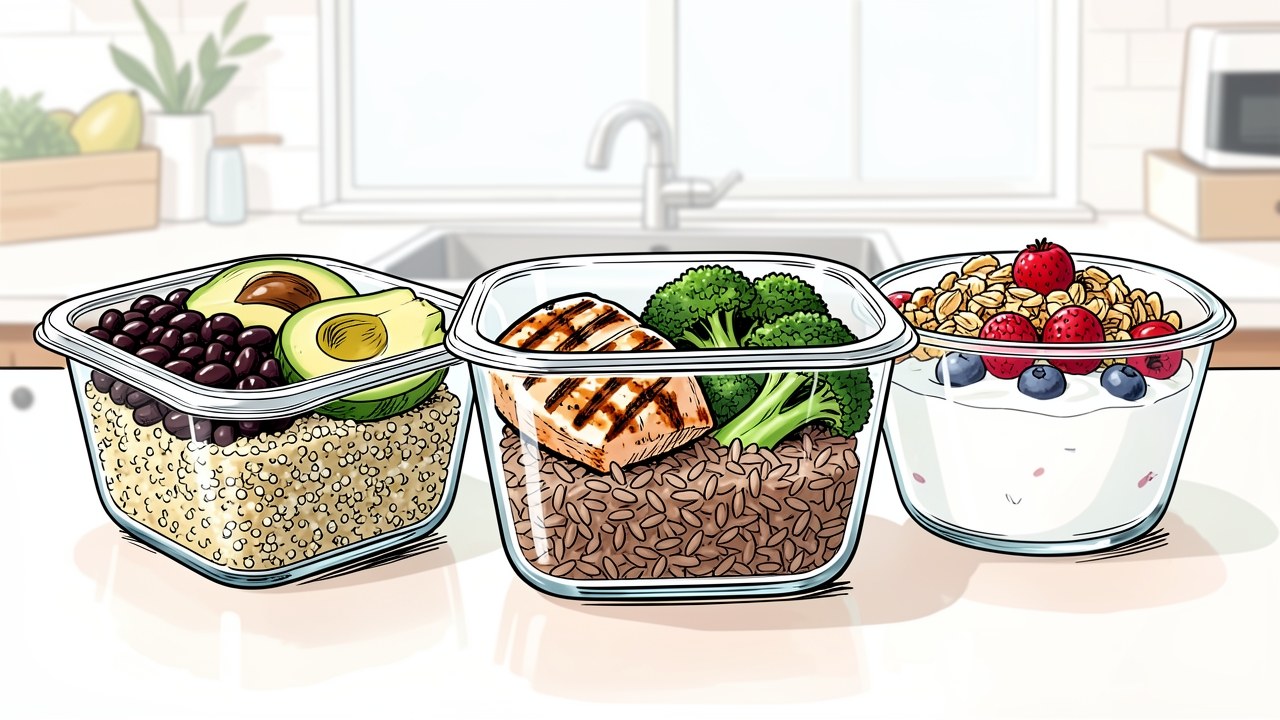
Why Meal Prep Works for Families
When life gets busy, family dinners can turn into a last-minute scramble. Meal prep offers a way to step back and plan ahead, so you can serve nourishing meals even on hectic weeknights. At its core, meal prep is the act of preparing key components of a dish or entire recipes before you eat them, then storing the food in the fridge or freezer for later.
For families, the benefits go beyond saving time. Having ready-to-eat components means you can mix and match, offering variety without cooking from scratch each night. It also helps you make deliberate choices about ingredients, making it easier to include more vegetables, whole grains, and lean proteins in your family's meals.
Meal prep doesn't have to mean spending your entire Sunday in the kitchen. Even a small block of time—like an hour or two—can make a big difference. By prepping a few key items, you set yourself up for a week of easier, healthier eating.
- Batch cooking large quantities of versatile ingredients like chicken, vegetables, or quinoa, which can be mixed and matched during the week.
- Individually portioning fully cooked meals into grab-and-go containers.
- Assembling meals ahead without cooking, so they are ready to bake or heat later.
Sources: PeerMeal, Advanced Care Specialists
Essential Tools and Containers
You don't need a professional kitchen to meal prep effectively. The right containers, however, are vital because they keep food fresh and help your meals last longer. Look for containers that are safe for the microwave, freezer, and dishwasher—these will simplify both storing and reheating.
A few basic tools can make the process easier: a set of mixing bowls, measuring cups, a sharp knife, and cutting boards. You might also invest in silicone muffin cups for portioning sauces or a slow cooker for hands-off batch cooking.
- Glass or BPA-free plastic containers with tight-fitting lids.
- Microwave-safe and freezer-safe options for versatility.
- A permanent marker or labels for dating each container.
Sources: Advanced Care Specialists, PeerMeal
How to Plan a Weekly Menu
Planning is the first step in meal prep. Start by looking at your family's schedule for the week: which nights are busy with activities, and which evenings allow more cooking time? From there, choose meals that fit your available time and energy.
A simple approach is to pick a few main proteins, grains, and vegetables that can be prepared in large batches and used in multiple dishes. For example, roasted chicken can be used for dinners, salads, and wraps. This approach reduces repetition while keeping preparation manageable.
When making your menu, aim to include a variety of colors and nutrients. Involve your family in the planning—let each person pick a favorite meal or side, which can also help with picky eaters.
- Start with a blank weekly calendar and note activities that affect cooking time.
- Choose two or three versatile proteins and grains to prep in bulk.
- Plan for at least one or two “use-up” meals where leftovers combine into something new.
Sources: PeerMeal
Batch Cooking Methods for Efficiency
Batch cooking is a cornerstone of efficient meal prep. It involves cooking large quantities of versatile ingredients—like chicken breasts, ground turkey, roasted vegetables, or quinoa—that you can use in multiple meals throughout the week. This saves time because you are cooking once but eating several times.
Begin with ingredients that are easy to cook in large amounts and store well. Chicken is a popular choice because it is simple to prepare and family-friendly. You can season it differently within the same batch to provide variety: grill some breasts plain, toss others in barbecue sauce, and shred a portion for tacos or salads.
Another method is full-meal batch cooking, where you prepare entire meals, like lasagna or casseroles, and portion them into individual containers. This can be especially useful for freezing meals for future busy nights.
- Choose one day to cook proteins, grains, and vegetables in bulk.
- Mix and match colors and flavors to keep meals interesting.
- Portion meals into containers immediately after cooking to cool quickly.
Sources: PeerMeal, Advanced Care Specialists, NumYum
Safe Storage and Reheating Guidelines
Proper storage is key to keeping prepped food safe and tasty. Use airtight containers, and label each one with the contents and date so you know what is inside and when it was made. This prevents mystery containers from languishing in the fridge.
Reheating should be done thoroughly, ensuring food is heated all the way through. For specific safe internal temperatures, consult official guidelines from the USDA or FDA.
- Cool cooked food promptly before refrigerating or freezing.
- Label containers with the dish name and preparation date.
- Use freezer-safe containers to prevent freezer burn.
Sources: PeerMeal, Advanced Care Specialists
A One-Day Meal Prep Plan to Get You Started
If this is your first time prepping for a family, start small. A sample family plan might include preparing three dinners, two lunches, and one breakfast for a family of four. Such a plan can realistically save a few hours during the week without overwhelming your weekend.
- Choose your prep day and set aside 1.5 to 2 hours.
- Select two to three recipes that share main components.
- Prep ingredients in bulk: chop vegetables, cook grains, and roast or grill proteins.
- Portion meals into individual or family-sized containers.
- Label each container with the dish and date.
Sources: NumYum
Troubleshooting Common Meal Prep Challenges
Even with the best intentions, you might hit a few snags. Perhaps you're tired of eating the same chicken and rice by Wednesday, or you're not sure how to store everything without taking over the fridge. It's common, and there are simple solutions.
One of the biggest hurdles is boredom. To avoid that, prep versatile components rather than full meals, so you can combine them in different ways throughout the week. Change up sauces, spices, or fresh herbs to keep flavors interesting.
Another challenge is space constraints. Invest in stackable containers and rearrange fridge shelves to accommodate rectangular containers, which maximize space. If you're prepping for a picky eater, involve them in the planning and offer recognizable ingredients with a choice of sauces or toppings.
- Freeze individual portions to extend shelf life and avoid eating the same dish all week.
- Keep a list of quick mix-and-match ideas for using leftovers.
- Start with a smaller number of meals if you're new to prepping.
Sources: Advanced Care Specialists
Frequently asked questions
How long can prepped meals stay in the fridge?
The safe storage time for prepped meals depends on the ingredients and how they are handled. For specific guidance, consult food safety resources such as the USDA or FDA. In general, store prepped meals in airtight containers, refrigerate them promptly, and use your judgment to ensure food is fresh.
Sources: Advanced Care SpecialistsWhat foods freeze well for later?
Many cooked dishes freeze well, including soups, stews, casseroles, cooked grains like rice or quinoa, and roasted vegetables. Chicken and other cooked meats also freeze well when stored in airtight containers or freezer bags. Foods with high water content, like lettuce or cucumber, don't freeze well because they become limp when thawed.
Sources: Advanced Care SpecialistsHow do I avoid boredom when eating the same meals?
Prepare versatile components rather than full meals so you can mix and match. For example, cook a batch of plain chicken and use it in salads, wraps, or with a different sauce each day. Also, change up spices, herbs, and sauces to create new flavor profiles. Freezing portions allows you to space out similar meals across weeks.
Sources: Advanced Care SpecialistsCan I meal prep for a picky eater?
Yes. Involve your picky eater in the planning stage—let them choose a favorite protein or side dish. Prep recognizable ingredients in simple ways, and offer a variety of sauces or toppings so they can customize their meal. Start with foods they already like, and gradually introduce new ingredients.
Sources: Advanced Care SpecialistsWhat is the best way to reheat prepped meals?
The best method depends on the dish. For most foods, the microwave is quick and convenient, but it can make some items soggy. For fried or crispy items, a toaster oven or regular oven helps retain texture. Always reheat food until it is piping hot throughout, ensuring it reaches a safe internal temperature. Use airtight containers designed for reheating, and stir or rotate for even heating.
Sources: Advanced Care SpecialistsSources
- Essential Meal Prep Techniques for Everyday Cooking — PeerMeal
- How To Get Started With Healthy Meal Prep — Advanced Care Specialists
- Family Meal Prep Guide 2026: Save 5+ Hours Weekly | NumYum — NumYum