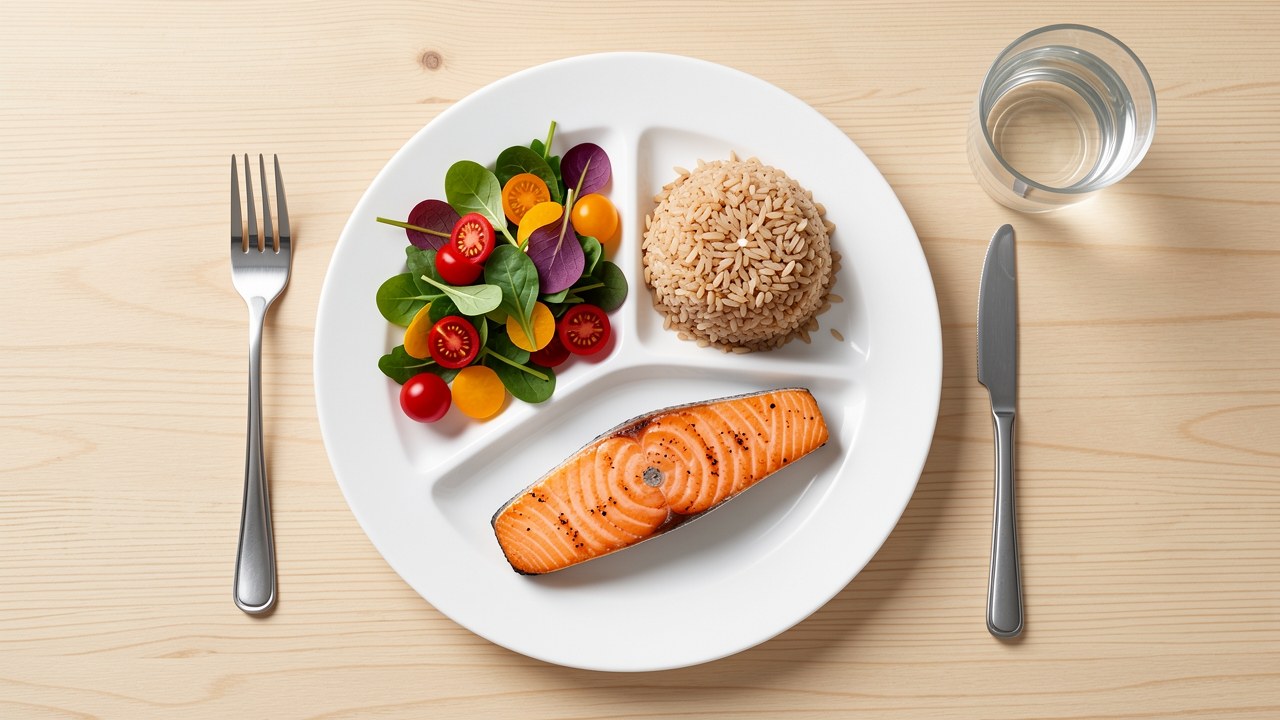
What Is a Balanced Family Meal?
A balanced family meal isn't about perfection—it's about consistently offering nutrient-dense foods that support growth, energy, and long-term health. The Dietary Guidelines for Americans recommend choosing foods and beverages that are rich in vitamins, minerals, and other beneficial nutrients while limiting those high in added sugar, saturated fat, and sodium.
For children and teens, the same core nutrient-dense foods recommended for adults apply, because eating habits formed in childhood carry into adulthood. By around age 2, most children can eat the same foods as the rest of the family, making it easier to serve one balanced meal that works for everyone.
- Nutrient-dense foods are naturally lower in added sugar, saturated fat, and sodium.
- The guidelines focus on overall patterns rather than single 'good' or 'bad' foods.
- A balanced meal includes a mix of vegetables, fruits, whole grains, lean protein, and low-fat dairy.
Sources: Nutrition Today (PMC), American Family Physician (AAFP), Centers for Disease Control and Prevention (CDC)
Understanding Macronutrients
Macronutrients—carbohydrates, protein, and fat—are the building blocks of energy and growth. Carbohydrates give kids fuel for play and learning, protein supports muscle and tissue development, and healthy fats are vital for brain development and help the body absorb vitamins A, D, E, and K.
Rather than eliminating any macronutrient, aim to include a source of each at meals. For example, a lunch of whole-grain bread (carbohydrate), turkey slices (protein), and avocado slices (fat) covers all three and keeps kids satisfied.
- Carbohydrates: found in grains, fruits, starchy vegetables, and legumes—choose whole grains when possible.
- Protein: found in lean meats, poultry, fish, eggs, beans, lentils, and dairy.
- Healthy fats: found in nuts, seeds, avocados, and vegetable oils—include these in moderate amounts.
Sources: Little Foodies Guide, American Family Physician (AAFP)
Key Vitamins and Minerals for Growing Bodies
Vitamins and minerals support everything from bone health to immune function. While a varied diet typically covers these needs, it helps to know which nutrients matter most and where to find them.
Aim to serve a rainbow of fruits and vegetables, as different colors provide different micronutrients. For example, orange vegetables like carrots and sweet potatoes offer beta-carotene (vitamin A), while leafy greens provide folate and vitamin K.
- Calcium: dairy products, fortified plant milks, leafy greens—important for growing bones.
- Vitamin D: fortified dairy, fortified plant milks, and safe sun exposure—works with calcium for bone health.
- Iron: lean meats, beans, fortified cereals, and spinach—essential for oxygen transport and cognitive development.
- Potassium: bananas, potatoes, beans, and yogurt—helps maintain healthy blood pressure.
Sources: American Family Physician (AAFP), Little Foodies Guide
Portion Sizes Made Simple
Forget weighing every bite—a simple visual guide can help you serve appropriate portions. The MyPlate model suggests filling half the plate with fruits and vegetables, and the other half with grains and lean protein, plus a side of dairy like a glass of milk or a small yogurt cup.
Children's portion sizes grow as they do, and their appetites naturally vary from day to day. Rather than forcing a clean plate, let your child's hunger signals guide how much they eat, while you control what foods are offered.
- Half the plate: fruits and vegetables, especially a colorful variety.
- One-quarter plate: whole grains like brown rice, whole-wheat pasta, or oatmeal.
- One-quarter plate: lean protein such as chicken, fish, beans, or tofu.
- Add a serving of dairy or a calcium-rich dairy alternative; for younger children, offer water as the main beverage if milk is not age-appropriate.
Sources: American Family Physician (AAFP), Little Foodies Guide
How to Build a Healthy Plate
Building a balanced plate at home doesn't require special recipes. Start with a visual check: fruits and vegetables should cover half the surface, with the remaining space split between whole grains and lean protein. Choose whole-grain versions of bread, pasta, and rice at least half the time.
For children under 11, avoid added sugars entirely, and for everyone, limit sugary drinks like soda and sports drinks.
- Include at least one fruit or vegetable at every meal.
- Switch to whole grains for at least half of your grain servings.
- Opt for lean proteins like poultry, fish, beans, and low-fat dairy.
- Keep saturated fat and sodium low by choosing fresh, frozen, or canned vegetables that are low in sodium and fruits without added sugar.
Sources: American Family Physician (AAFP), Centers for Disease Control and Prevention (CDC), Children's Health
Handling Picky Eaters Without Stress
Picky eating is normal. Favoring just a couple of foods or refusing to let foods touch on the plate are common behaviors that often fade by age 5. The key is patience and persistence: children may need to try a new food many times before they accept it.
Make family meals pleasant and distraction-free. Turning off the TV and sitting together at the table creates a calm environment. Parental modeling—eating the same healthy foods and showing enjoyment—encourages children to follow suit. Involving kids in meal preparation can also spark interest in trying what they've helped make.
- Offer new foods alongside familiar favorites—no separate 'kids' meals' needed.
- Keep the atmosphere positive and avoid pressuring, bribing, or forcing.
- Continue to expose children to a variety of foods; repeated exposure increases acceptance.
- Use frozen and canned produce as budget-friendly, nutritious alternatives to fresh.
Sources: Centers for Disease Control and Prevention (CDC), PubMed (NIH/NLM), NIH News in Health, Children's Health
A Sample Balanced Weekly Menu
Here's a practical weekly menu that applies the plate method and keeps meals simple and budget-conscious. It includes make-ahead ideas and uses frozen or canned ingredients as time-savers. Portions should be adjusted by age and appetite.
All meals below are meant as 'balanced meal ideas' rather than exact recipes. Choose cooking methods like baking, grilling, or sautéing with small amounts of oil, and flavor with herbs and spices instead of salt.
- Outsmart the week by cooking extra grains and proteins to repurpose in lunches.
- For each meal, aim for the plate proportions: half produce, quarter whole grains, quarter protein, plus a low-fat dairy or water.
- Involve children in simple tasks like washing vegetables or setting the table—it builds engagement.
- Monday: Dinner — Baked fish, quinoa, and roasted green beans.
- Tuesday: Dinner — Turkey-black bean skillet with brown rice and a side of bell peppers.
- Wednesday: Dinner — Whole-wheat spaghetti with lentils and a side salad.
- Thursday: Dinner — Chicken stir-fry with mixed frozen vegetables and steamed rice.
- Friday: Dinner — Homemade bean-and-cheese quesadillas with salsa and corn on the side.
- Saturday: Dinner — Slow-cooker chicken vegetable soup with whole-grain bread.
- Sunday: Dinner — Beef-and-vegetable kabobs with whole-wheat pita and cucumber-tomato salad.
| Day | Protein | Grain | Fruit/Vegetable | Dairy (optional) |
|---|---|---|---|---|
| Monday | Baked fish | Quinoa | Roasted green beans | Milk |
| Tuesday | Turkey & black beans | Brown rice | Bell peppers | Milk |
| Wednesday | Lentils | Whole-wheat spaghetti | Side salad | Parmesan |
| Thursday | Chicken | Steamed rice | Mixed frozen vegetables | Milk |
| Friday | Beans & cheese | Whole wheat tortilla | Salsa & corn | Cheese |
| Saturday | Chicken (slow-cooker) | Whole-grain bread | Vegetable soup | Milk |
| Sunday | Beef | Whole-wheat pita | Cucumber-tomato salad | Yogurt |
Sources: American Family Physician (AAFP), Centers for Disease Control and Prevention (CDC), Children's Health, Balanced Bites Science
Frequently asked questions
What are healthy snacks for kids?
Healthy snacks can include fruit, vegetable sticks with hummus, yogurt, whole-grain crackers with cheese, or a handful of nuts. Choose snacks that offer nutrients and limit added sugars, especially for children under 11 who should avoid added sugars entirely. Making snacks count as mini-meals helps fill nutrient gaps.
Sources: Centers for Disease Control and Prevention (CDC), Children's HealthHow can I tell if my child is eating enough?
Children are good at regulating their own hunger and fullness. Instead of counting every bite, watch for steady growth, steady energy levels, and normal developmental milestones. Offer regular meals and snacks, and let your child decide how much to eat. If you're worried about growth or appetite, consult your child's doctor.
Sources: Centers for Disease Control and Prevention (CDC), American Family Physician (AAFP)What is the best way to introduce new foods?
Introduce new foods gradually and without pressure. Serve a small portion alongside foods your child already likes. Children may need to taste a new food many times before they accept it, so keep offering it in a positive, relaxed atmosphere. Involving your child in choosing and preparing foods can also increase their interest.
Sources: Centers for Disease Control and Prevention (CDC), PubMed (NIH/NLM), Balanced Bites ScienceSources
- Keep the Beat Recipes: Deliciously Healthy Family Meals | NIH News in Health — NIH News in Health
- Dietary Guidelines for Americans, 2020–2025 — Nutrition Today (PMC)
- Good Nutrition Starts Early — Centers for Disease Control and Prevention (CDC)
- Quality matters: A meta-analysis on components of healthy family meals - PubMed — PubMed (NIH/NLM)
- How to Create a Balanced Diet for Picky Eaters: Evidence-Based Meal Planning and Healthy Cooking Tips for Aspiring Nutritionists and Dietitians – Balanced Bites Science — Balanced Bites Science
- Types of Macronutrients: A Fun Guide for Parents to Balance Nutrition for Picky Eaters – Little Foodies Guide — Little Foodies Guide
- Healthy eating for families on a budget – Children’s Health — Children's Health
- Dietary Guidelines for Americans 2020–2025: Recommendations from the U.S. Departments of Agriculture and Health and Human Services | AFP — American Family Physician (AAFP)