Why portion sizes matter for children
Kids aren’t just smaller adults. Their nutritional needs change as they grow, and their appetites can swing wildly from day to day. Offering the right portion size helps ensure they get enough energy and nutrients without feeling overwhelmed or overly full.
Children’s appetites fluctuate naturally due to growth spurts, physical activity, sleep, emotions, routines, and health concerns. That means some days they might eat more, other days less. A portion guide isn’t a strict rulebook—it’s a starting point to help you serve balanced meals and trust your child’s hunger cues.
In the United States, the MyPlate model offers a helpful visual: fill half the plate with vegetables and fruits, one quarter with grains, and one quarter with protein, plus a side of dairy. But how much goes on the plate depends on the child’s age and appetite.
Sources: Health Stand Nutrition, District 2 Public Health WIC
Serving size guide by age group
Here’s a breakdown of typical daily serving sizes for different food groups based on age. Remember, these are general guidelines—active kids may need more, and some days will naturally be lighter.
For toddlers (1–3 years), a typical day might include about 1,000–1,300 calories, depending on activity. For this age group, one serving of vegetables or fruit is often just 1–2 tablespoons at a meal. For grains, a serving might be 1/2 slice of bread or 1/4 cup of cooked pasta or rice. Protein servings can be as small as 1/2 egg or 2–3 tablespoons of beans. And for dairy, a serving is around 1/2 cup of milk or yogurt.
Preschoolers (3–5 years) can handle slightly larger servings. A typical fruit and vegetable serving is about 1/2 cup of each at meals. Grains in the 1/2 cup range work well. For protein, start with 2 ounces of meat, poultry, or beans. Dairy servings can be 1/2 cup of milk or 1/3 cup of yogurt.
School-age kids (4–8 years) generally need about 1.5 cups of fruit and 1.5 cups of vegetables per day. They also need around 5 ounces of grains and 5 ounces of protein foods daily, plus about 2.5 cups of dairy. For this age group, a serving of dairy is often 1 cup of milk or yogurt.
For older kids and teens (9–18 years), dairy needs rise to 3 servings per day. While detailed food-group portions for teens weren’t included in our sources, the MyPlate half-plate vegetables and fruits, quarter grains, quarter protein model still provides a solid visual for building balanced meals.
At every age, a useful daily pattern is to offer a variety of foods and let your child decide how much to eat from what you serve.
| Age Group | Fruit | Vegetables | Grains | Protein | Dairy |
|---|---|---|---|---|---|
| 1–3 years | 1–2 tbsp per meal | 1–2 tbsp per meal | 1/2 slice bread or 1/4 cup cooked pasta/rice | 1/2 egg or 2–3 tbsp beans | 1/2 cup milk or yogurt |
| 3–5 years | 1/2 cup at meals | 1/2 cup at meals | 1/2 cup | 2 oz meat/poultry/beans | 1/2 cup milk or 1/3 cup yogurt |
| 4–8 years | 1.5 cups/day | 1.5 cups/day | 5 oz/day | 5 oz/day | 2.5 cups/day |
| 9–18 years | Use MyPlate visual | Use MyPlate visual | Use MyPlate visual | Use MyPlate visual | 3 servings/day |
Sources: Colorado State University Extension, SuperKids Nutrition, District 2 Public Health WIC
Visual cues for estimating portions
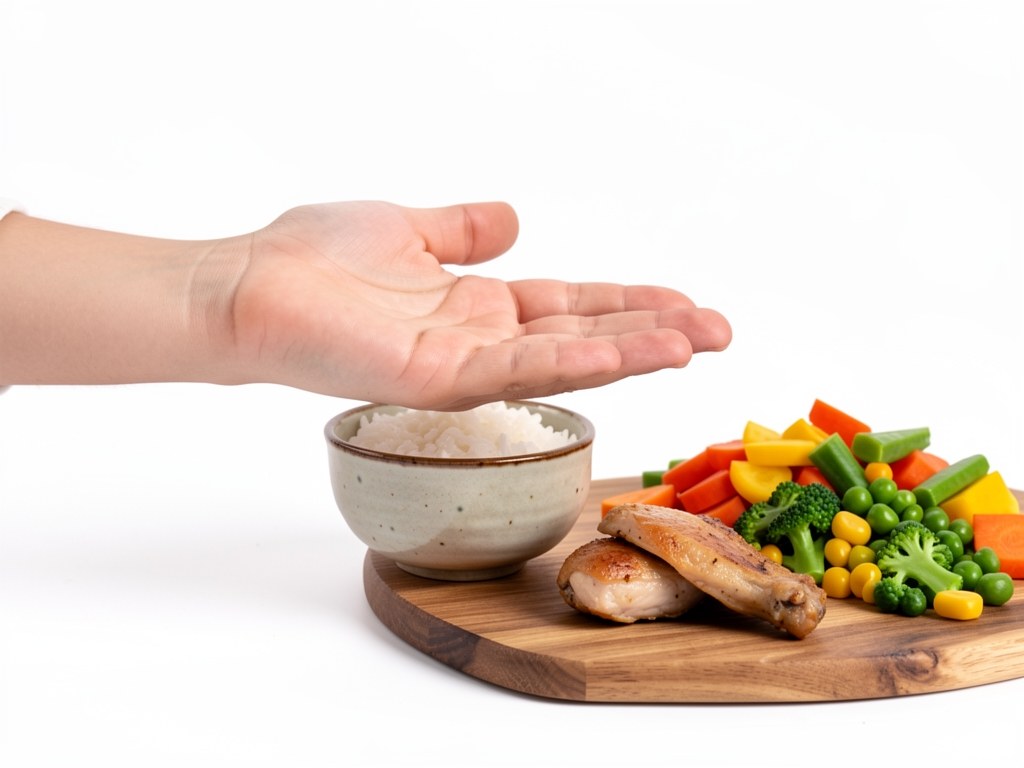
Measuring cups and scales work great, but you won’t always have them handy. A simple trick is to use your child’s own hand as a guide, since a child’s hand size corresponds roughly to their body size. These comparisons can help you eyeball appropriate portions at home, at a restaurant, or at a party.
For grains such as pasta, rice, or cereal, a serving about the size of your child’s closed fist works well. For protein like meat or seafood, use the palm of their hand. For nut butter, a serving the size of their thumb is a good start. At each meal, aim to offer fruits and vegetables equivalent to about two of the child’s clenched fists in total. And for added fats like butter, mayonnaise, or salad dressing, limit it to the size of the top of the thumb.
- Grains (pasta, rice, cereal): about the size of the child’s closed fist
- Protein (meat, seafood): about the size of the child’s palm
- Nut butter: about the size of the child’s thumb
- Fruits and vegetables combined: about two clenched fists
- Added fats (butter, mayo, dressing): about the size of the top of the thumb
Sources: Colorado State University Extension
Portion size for different food groups
Knowing what counts as a serving for each food group helps you build meals that cover all the bases. While the MyPlate visual (half vegetables and fruits, quarter grains, quarter protein, plus dairy) gives a broad overview, the following per-food-group details can help you fine-tune.
For grains, a preschooler’s serving is about 1/2 cup of cooked rice, pasta, or cereal. For protein, a serving for a preschooler is about 2 ounces of meat, poultry, or beans. For dairy, one serving equals 8 fluid ounces of low-fat milk or yogurt, or about 2 ounces of cheese. For toddlers, a dairy serving is smaller: 1/2 cup of milk or yogurt.
Remember that “serving” is not the same as “helping.” A helping is what you put on the plate; a serving is a defined amount. You might offer two servings of vegetables at a meal, which is fine for many kids.
Sources: Colorado State University Extension, District 2 Public Health WIC
How to manage portions without being overly restrictive
It’s normal to worry about whether your child is eating too much or too little, but strict portion control at every meal can backfire. Children are remarkably good at regulating their own hunger and fullness when given a variety of healthy options.
Start by serving modest portions on a kid-sized plate. Using kid-sized dishes can help avoid over-serving. Then let your child ask for more if they’re still hungry. Inviting children to help serve plates—for example, using an ice cream scoop for rice—can also help them learn what a reasonable portion looks like.
Trust your child’s appetite, and remember that some days they’ll eat more and some less. Growth spurts and activity levels drive these changes. Your job is to provide balanced choices and let your child decide how much to eat.
Sources: Colorado State University Extension, District 2 Public Health WIC
Common mistakes to avoid
Even well-meaning parents can fall into some common portion pitfalls. Being aware of them can help you serve meals that support your child’s healthy growth without turning dinner into a battle.
One mistake is confusing an adult portion with a kid portion. Nutrition Facts labels list serving sizes for adults, which are often larger than what a child needs. For example, an adult serving of cereal is much larger than a preschooler’s 1/2 cup. Always refer to the age guide above to size your child’s plate correctly.
Another mistake is pushing your child to “clean their plate” even when they’re full. This can lead to overeating habits. Instead, encourage your child to listen to their hunger cues. If they say they’re done, respect that, even if food remains.
Finally, don’t forget that portion sizes are just part of the picture. A balanced diet also includes variety, and some foods (like vegetables) might need to be offered many times before a child accepts them. Be patient and keep serving healthy options without pressure.
Sources: Colorado State University Extension
Frequently asked questions
How many ounces of meat should a 5-year-old have?
For a preschooler (3–5 years), a typical serving is about 2 ounces of meat, poultry, or beans per meal. That’s roughly the size of their palm. Some days they might want more, and that’s okay as long as you’re offering balanced meals throughout the day.
Sources: Colorado State University Extension, District 2 Public Health WICIs it okay to use measuring cups to portion my child's food?
Yes, using measuring cups can be a helpful way to learn what a proper portion looks like, especially when you’re first getting started. You can use measuring cups at home to measure out a serving of cereal, pasta, or vegetables, and then compare that to your child’s hand size to build a mental picture. Over time, you may not need them as often, but they’re a perfectly good tool for teaching yourself and your child about serving sizes.
What should a balanced plate look like for a teenager?
While our research didn’t provide specific teen portions, the MyPlate model offers a simple visual: fill half the plate with vegetables and fruits, one quarter with grains, and one quarter with protein, plus a side of dairy. A teenager’s plate will simply be larger than a younger child’s. For dairy, teens need 3 servings per day.
Sources: Colorado State University Extension, District 2 Public Health WICHow can I tell if my child is eating too much or too little?
Children’s appetites naturally change from day to day due to growth, activity, sleep, and other factors. Instead of focusing on any single meal, look for patterns over several days. If your child is gaining weight appropriately, has energy to play and learn, and seems satisfied after meals, they’re likely eating the right amount for them. If you have concerns about your child’s growth, talk to your pediatrician.
Sources: Health Stand NutritionAre there differences in portion sizes for boys and girls?
Our sources don’t provide specific portion differences based on sex. Generally, portion needs are driven more by age, size, and activity level than by gender. During puberty, boys may need more calories because of changes in body composition and growth, but your child’s individual appetite and growth curve are the best guides. Focus on offering balanced meals and letting your child eat to satisfaction.
Can my child eat more if they are active in sports?
Yes, it’s reasonable to offer more food to a child who is actively growing and regularly plays sports, but our sources don’t give specific numbers for active children. Use visual cues as a starting point, but be ready to offer second helpings of vegetables, fruits, and whole grains as your child’s activity level increases. Always encourage your child to listen to their hunger and fullness cues.
Sources
- How Much is Enough? Understanding Portion Sizes for Kids at Every Age — Colorado State University Extension
- Portion Sizes for Kids — Colorado State University Extension
- How Much Should Kids Eat? Parents Guide to Kids Portion Sizes — Health Stand Nutrition
- Portion Sizes for Kids 4 to 18 Years of Age - SuperKids Nutrition — SuperKids Nutrition
- Portion Sizes: Helping Your Family Eat Just the Right Amount — District 2 Public Health WIC