Why a Grocery Strategy Saves Time and Money
Grocery shopping can feel like a weekly chore, but with a strategy, it becomes a powerful tool for healthy family meals. When you plan ahead, you're less likely to grab processed snacks on a whim or order takeout because you have nothing at home. A clear plan also prevents buying duplicates and forgetting key ingredients, which means fewer wasted groceries and less money spent overall.
The foundation of any good grocery strategy is simple: know what you need before you walk in (or open the app). Studies and experts agree that making a shopping list and sticking to it helps you avoid impulse purchases, especially those unhealthy treats that seem to appear in your cart without planning. This guide walks you through building a list, navigating the store, and staying on budget, so you can feed your family well without stress.
Sources: Healthline, Malina Malkani, Signos
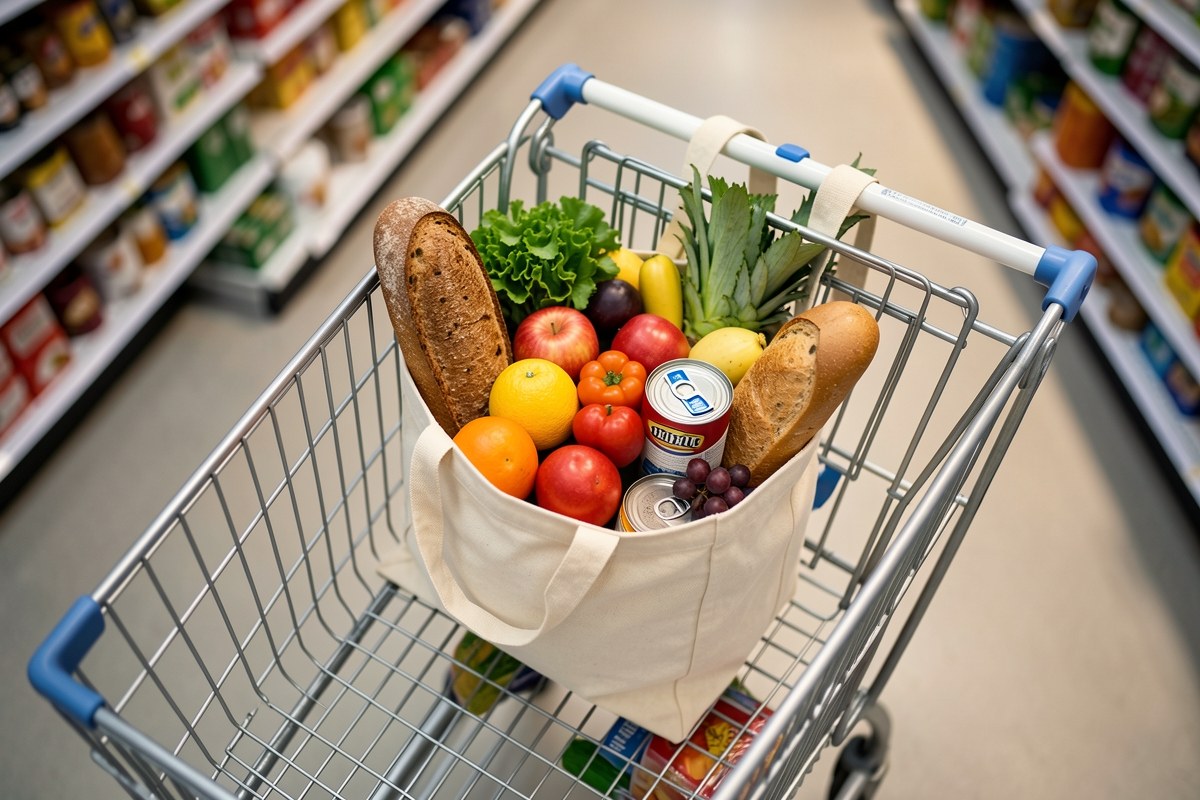
How to Build a Healthy Grocery List Your Family Will Eat
The best grocery list starts with your family's favorite meals. Instead of brainstorming random items, plan two or three dinners for the week that share common ingredients. For example, if you buy a bag of spinach, you can use it in a salad, a stir-fry, and a smoothie. This reduces waste and saves money because you're buying items you'll actually use.
Once you've chosen your meals, write down every ingredient you'll need, then check your pantry and fridge to see what you already have. This prevents buying extras you don't need. Build your list around whole foods like fruits, vegetables, whole grains, and lean proteins, but don't forget to include snacks and lunch items that fit your family's tastes. A healthy grocery list for a family should be flexible enough to include favorites while prioritizing nutrient-dense choices.
Try to plan meals that use overlapping ingredients. For instance, a rotisserie chicken can be used for a dinner, then the leftovers become sandwiches or a soup. This is a smart way to stretch your budget and reduce food waste.
- Start with 2–3 planned meals for the week and write down their ingredients.
- Check your pantry and fridge before you shop to avoid buying what you already have.
- Choose recipes that share common ingredients to minimize waste and cost.
- Include a mix of produce, proteins, whole grains, and healthy snacks that your family enjoys.
Sources: Healthline
Navigating the Store: Which Aisles to Spend Time In
Most grocery stores are laid out with fresh, whole foods along the perimeter: produce, meat and seafood, dairy, and often bakery and deli. The inner aisles tend to contain more processed foods, like chips, cookies, and sugary cereals. While it's not a strict rule for every store, focusing your shopping on the perimeter first can help you fill your cart with nutrient-dense, minimally processed foods.
The produce section is where you should spend most of your time and money, according to pediatric dietitian Malina Malkani. Fresh fruits and vegetables are packed with vitamins and fiber. But don't overlook the frozen section for vegetables and fruits, which are just as nutritious and often more convenient. When you do venture into the inner aisles, know what you're looking for: canned beans, whole-grain pasta, oats, and other pantry staples are all healthy choices.
If you're shopping with kids, involve them in choosing new fruits or vegetables. This can make them more excited to eat what you bring home. But be careful: kids can also be a source of impulse requests. Set expectations before you enter the store.
- Start on the perimeter to pick up fresh produce, meats, and dairy.
- Spend extra time in the produce section for nutrient-dense, minimally processed foods.
- In the center aisles, stick to your list for pantry staples like beans, whole grains, and canned goods.
- If you have kids, give them a mission, like finding a new vegetable to try, to keep them engaged and reduce impulse buys.
Sources: Healthline, Malina Malkani
Smart Shopping Tactics to Stay on Budget
Eating healthy doesn't have to break the bank. Start by checking the store's weekly ad and planning meals around items that are on sale. Seasonal produce is often cheaper and fresher, so build your meals around what's in season. Also, consider buying in bulk for non-perishable staples like rice, beans, and oats, and don't hesitate to choose generic or store brands for items like canned goods and frozen vegetables—they're often just as good as name brands for a lower price.
Another effective budget strategy is to incorporate meatless meals once or twice a week. Using plant-based proteins like beans, lentils, and eggs can be both cost-effective and versatile. You might be surprised how satisfying a hearty bean chili or lentil soup can be.
One of the simplest yet overlooked tactics is to eat a balanced snack before you shop. Shopping hungry can lead to impulse buys and less mindful choices. By going in with a full stomach, you'll be better able to stick to your list.
If you're a fan of online ordering, many experts point out that using store pickup or delivery can help reduce impulse buying because you're not walking past tempting displays. Even if you prefer to shop in person, you can still use the store's app to build your list or track sales.
- Check store ads and plan meals around sale items.
- Buy seasonal produce and consider buying staple items in bulk.
- Choose generic brands for basics like canned vegetables and dried beans.
- Plan one or two meatless dinners each week using beans or lentils.
- Eat a balanced snack or meal before shopping to reduce impulse buys.
- Try online grocery pickup or delivery to avoid tempting displays.
Sources: Healthline, Malina Malkani, Signos
How to Stock a Healthy Pantry and Fridge
A well-stocked pantry and fridge are the backbone of quick, healthy meals. Keep a variety of whole grains like brown rice, quinoa, and oats, along with canned beans, lentils, and low-sodium broths. Frozen vegetables and fruits are great to have on hand for busy nights. For the fridge, stock fresh produce that works for salads and snacks, plus eggs and dairy or plant-based alternatives.
When you shop, think about how your food will be used. For example, if you buy baby carrots, they're great for snacks, but you can also roast them as a side dish. Keep a few versatile ingredients, like rotisserie chicken or tofu, that can be added to different dishes. By having these staples ready, you can throw together a meal in minutes without needing a special trip to the store.
Washing all fresh produce before eating is a good habit to reduce potential pesticide exposure and remove dirt. However, it's best to store most produce unwashed until you're ready to use it, as excess moisture can cause spoilage.
- Keep whole grains, beans, and frozen vegetables on hand for quick meals.
- Stock up on fresh produce that you'll actually eat within the week.
- Include versatile proteins like eggs, rotisserie chicken, or canned fish.
- Wash all produce just before eating to minimize pesticide residue.
Sources: Malina Malkani
Frequently asked questions
What should be on a healthy family grocery list?
A healthy grocery list should be based on the meals you plan for the week. Include fruits, vegetables, whole grains, lean proteins (like chicken, fish, and beans), and dairy or dairy alternatives. Also add healthy snacks such as nuts, yogurt, or cut-up veggies. Aim to have a variety of colors on your plate. Since every family is different, customize your list to include foods your family enjoys so that the meals you prepare will actually be eaten.
Sources: Healthline, Malina MalkaniHow can I avoid buying junk food when shopping?
Avoiding junk food starts before you enter the store. Make a detailed list based on your meal plan and commit to sticking to it. Eat a balanced snack before you shop to reduce hunger-driven cravings, and focus on the outer aisles where whole foods are usually found. If you have children with you, set clear expectations and involve them in choosing healthy items. Online ordering or store pickup can also help because you're less tempted by impulse displays. Sticking to your list is the most effective strategy.
Sources: Malina Malkani, SignosIs it better to shop online or in-store for healthy food?
Both online and in-store shopping can be healthy, but online ordering may help reduce impulse purchases, as you're not walking through aisles with tempting displays. Many experts also find that online grocery shopping makes it easier to check your list and avoid spontaneous buys. However, in-store shopping has the advantage of being able to inspect produce for freshness and take advantage of unexpected in-store markdowns. Ultimately, choose the method that fits your family's needs and helps you stick to your healthy plan.
Sources: Malina MalkaniWhat are the best tips for shopping with kids?
Shopping with kids can be easier if you engage them in the process. Give them a specific task, like finding a new vegetable to try or picking out a fruit for the week. This keeps them involved and reduces their focus on junk food. Set clear expectations before entering the store, and explain that they can pick one healthy snack, but not everything they see. Also, make sure they've eaten a snack so they're not hungry and tempted. Finally, plan a few meals that your children enjoy so they feel their preferences are included on the list.
Sources: Malina Malkani, SignosSources
- The Definitive Guide to Healthy Grocery Shopping — Healthline
- Top 10 Grocery Shopping Tips for a Healthy Family — Malina Malkani
- Smart Grocery Shopping: Save Money on Healthy Foods — Signos